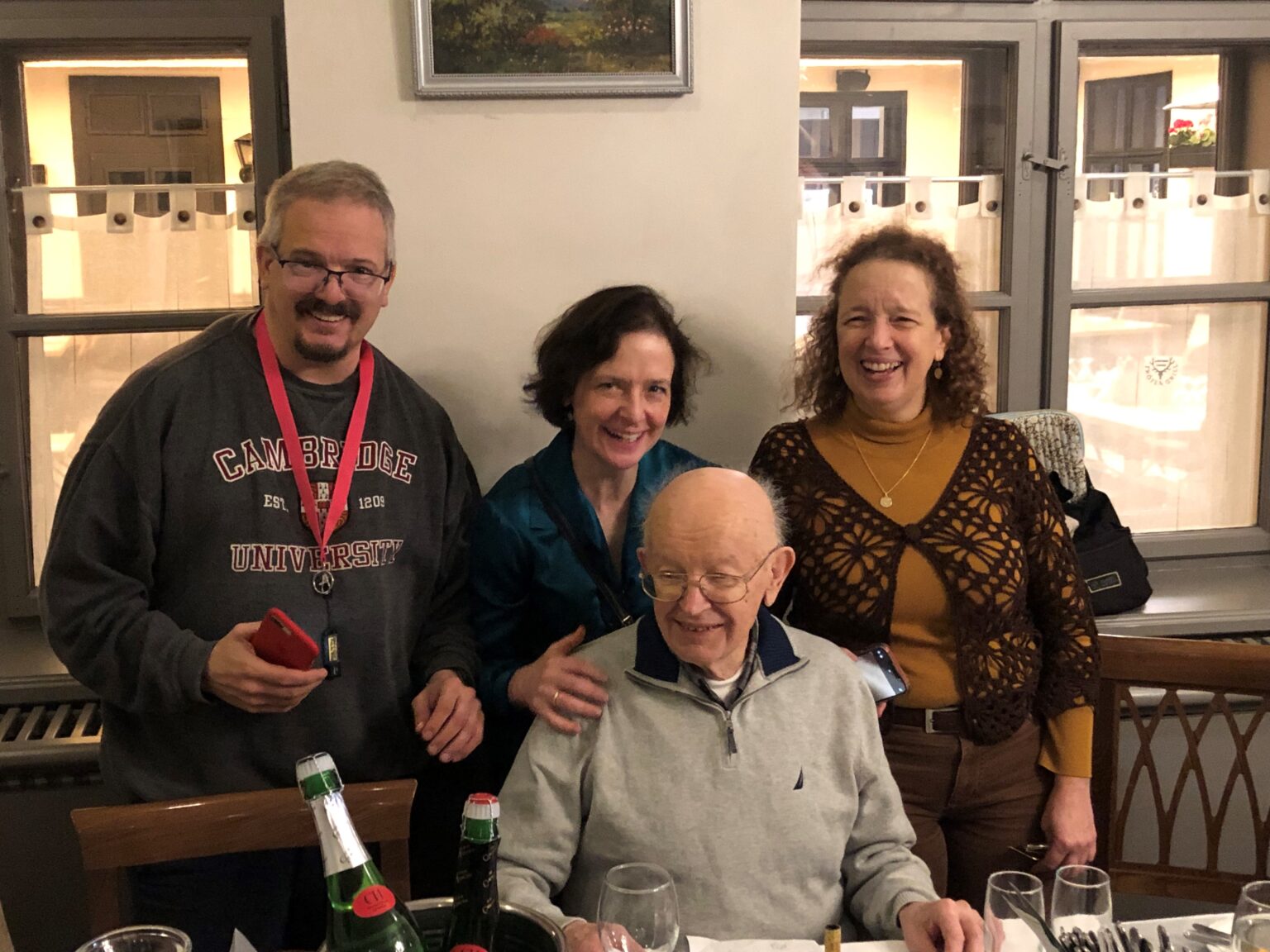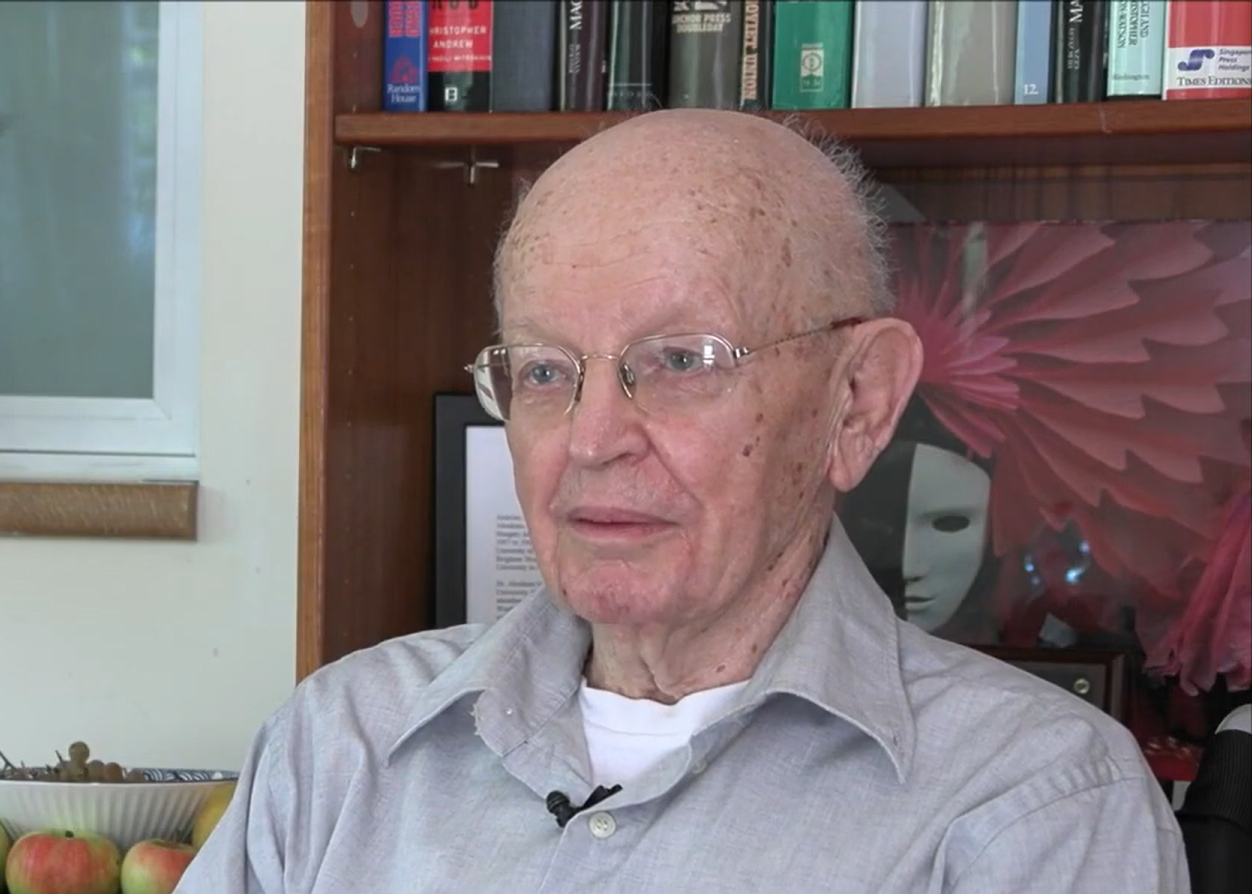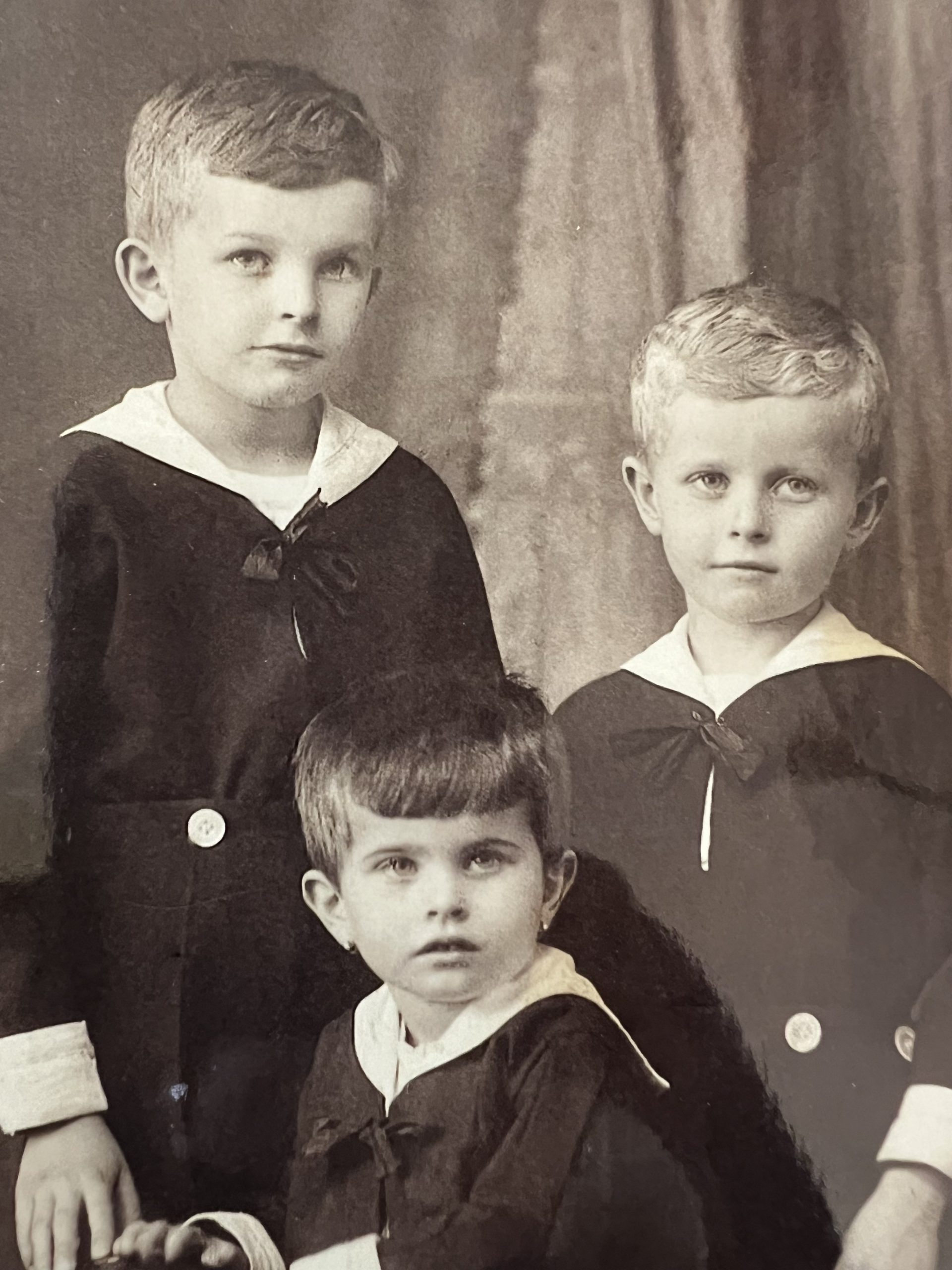
Dr. András (Endre) Ábrahám
1956erBorn in Budapest on November 18, 1928, Dr. Ábrahám earned a M.D. summa cum laude from the University of Szeged in 1953 and was associated with its Department of Microbiology for the next four years.
Following the Revolution of 1956, he escaped to Austria and immigrated to the United States. From 1957 to 1963, Dr. Ábrahám continued his career at the Department of Microbiology at the University of Pittsburgh and the National Foundation for Infantile Paralysis. After completing his residency at Harvard University, he worked with the Department of Pathology of the Peter Bent Brigham Hospital until 1970. He then served at Lankenau Hospital and Temple University in Philadelphia.
Upon moving to Maryland in 1978, Dr. Ábrahám was named Associate Professor of Pathology at The George Washington University School of Medicine and Health Sciences. In 1996, he became Associate Professor Emeritus of Pathology in recognition of his achievements in research and education in renal pathology and clinical microbiology.
Though he built a distinguished life in the United States, Dr. Ábrahám never lost his deep connection to Hungary. He and his family hosted many Hungarian students, and he frequently mentored students and physicians from Hungary in his laboratory. He was a founding member of weekly coffeehouse meetings with like-minded Hungarian and American friends in the Washington, D.C. area.
He supported hundreds of students at the Hungarian Reformed College in Kolozsvár (Cluj), Romania. For the past several years, Dr. Ábrahám also supported the Hungarian American Coalition's John N. Lauer Leadership Program (LTP) by offering his own Maryland home as housing for LTP interns.
On October 9, 2025, he was honored at the Hungarian American Coalition’s Annual Gala for his lifelong commitment to education, culture, and community.
Dr. András Ábrahám passed away on November 16, 2025, at 97 years of age. He died at home in Budapest, Hungary, surrounded by his family.